

Surfing in the North East of England: Cold Water, Big Rewards 🌊
When most people think of surfing in the UK, places like Cornwall or Devon usually come to mind. But tucked away along the rugged coastline of the North East of England is a thriving surf scene that’s wild, uncrowded, and surprisingly consistent. From dramatic cliffs to long sandy bays, the region offers waves for beginners and seasoned surfers alike — if you’re willing to brave the colder water.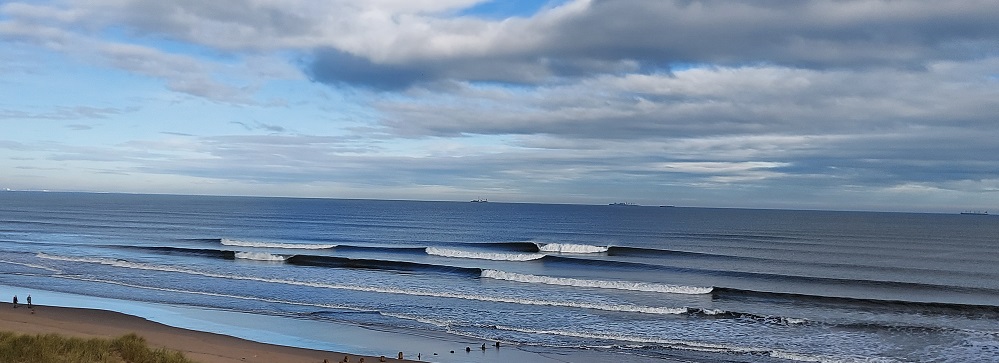
Why Surf in the North East?
The North East coastline, stretching roughly from North Yorkshire up through Northumberland, faces directly into the North Sea. This exposure means it regularly receives solid swells generated by North Atlantic weather systems. Combine that with long beaches and fewer crowds than southern surf spots, and you’ve got a surprisingly good surf destination.
The conditions can be powerful, especially during autumn and winter when North Sea storms create clean, punchy waves. Yes, the water is cold — but with a good wetsuit, gloves, boots, and hood, it’s entirely manageable.
Best Surf Spots in the Region
Here are a few standout locations where surfers regularly head when the swell arrives.
Tynemouth Longsands
Located near the historic seaside town of Tynemouth, Longsands is one of the most popular surf beaches in the region. Its long sandy stretch creates multiple peaks, making it ideal for beginners and intermediates. There are also surf schools operating here, so it’s a great place to learn.
When the swell lines up, the waves can be clean and surprisingly powerful.
Saltburn-by-the-Sea
Further south in North Yorkshire, Saltburn is considered one of the most reliable surf spots in the North East. The beach sits beneath towering cliffs and next to the famous Victorian pier, creating a stunning backdrop while you surf.
The waves here are generally consistent beach breaks and work across a variety of swell directions. It’s also home to a strong local surf community and regular competitions.
Bamburgh Beach
With views of Bamburgh Castle towering above the dunes, this is arguably one of the most scenic surf spots in the UK. The beach is vast and often uncrowded, offering plenty of space to find your own peak.
Bamburgh can produce powerful waves when the swell hits just right, but it’s often quieter than the more well-known spots further south.
Seaton Sluice and Blyth
These spots offer fun waves when conditions line up and are popular with local surfers. Reefs and sandbars can create punchy peaks, and on a good day you’ll find dedicated surfers making the most of the North Sea swell.
When to Surf
The best surf season in the North East is autumn through winter. During this time, North Atlantic storms send regular swells into the North Sea, producing the most powerful and consistent waves.
Spring and summer can still produce surfable days, but conditions are generally smaller and less frequent.
Typical water temperatures:
- Winter: 5–8°C
- Summer: 12–15°C
A quality winter wetsuit (5/4mm or thicker) is essential for colder months.
The North East Surf Culture
What makes surfing here special isn’t just the waves — it’s the community. The surf culture in the North East is passionate and welcoming. Because the conditions can be challenging, the people who surf here tend to be dedicated and supportive.
Early morning sessions in icy water, followed by hot coffee from a beachfront café, are part of the ritual.
Why It’s Worth the Cold
Surfing in the North East of England might require a bit more determination than warmer destinations, but that’s exactly what makes it rewarding. Dramatic coastlines, powerful winter swells, and a tight-knit surf community create an experience that feels raw and authentic.
If you’re looking for uncrowded waves and a real sense of adventure, the North East might just surprise you.


Leave a reply